
Google Review Policy Changes 2026: What Every Local Business Needs to Know
 Greg CrossJul 16, 202610 min read
Key takeaways
- In April 2026, Google's Maps policy formally classified several standard home-service review tactics as "Rating Manipulation."
- Now banned: on-site review pressure, requesting specific content, asking customers to name a technician, setting staff review quotas, and offering incentives.
- The old "turn techs into review machines" playbook—name-drop scripts, breakroom leaderboards, tablet-in-the-kitchen requests—now triggers multiple policy red flags.
- Violations can lead to disappearing reviews, stalled star counts, warnings, or reduced Google Business Profile visibility.
- Google still welcomes honest reviews: neutral email/SMS follow-ups, review links and QR codes on invoices, and prompt responses remain fully compliant.
If you run an HVAC, plumbing, roofing, or other home service business, Google reviews are your lifeblood. They drive calls, form fills, and “we found you on Google Maps” customers every week. The google review policy changes 2026 make this more important than ever.
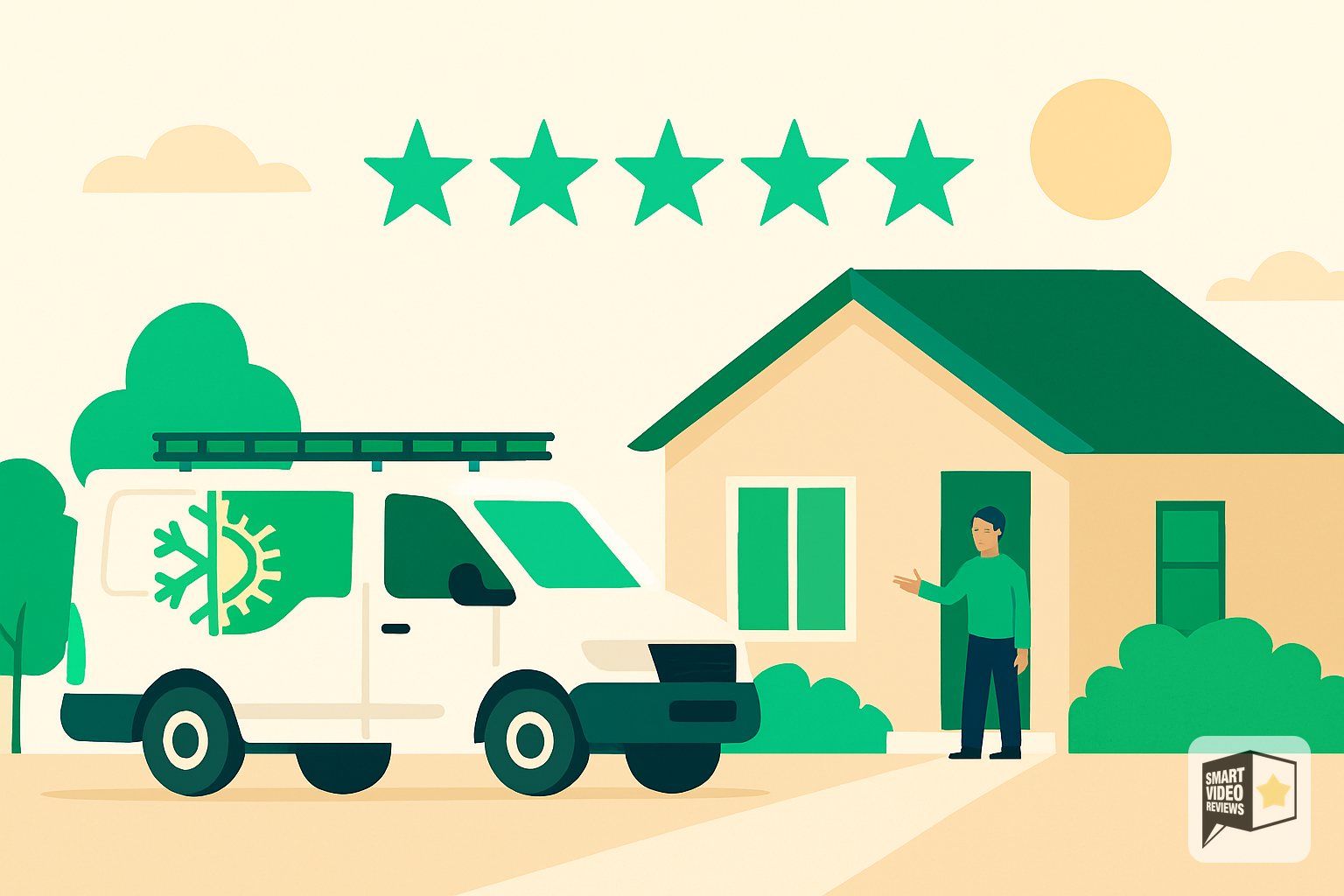
In April 2026, Google announced new review protections for businesses on Maps, updating its contribution policies (Google's announcement). Several review tactics that are standard in home services are now treated as “rating manipulation” under Google's contribution policies. Keep doing them, and you risk losing reviews—or putting your Google Business Profile at risk.
These changes are not just industry rumors. They come straight from Google’s official Maps User Contributed Content Policy, in the section on Fake & Misleading Content & Reviews and Rating Manipulation.
What Exactly Did the Google Review Policy Changes 2026 Change?
The most important updates for home service contractors are buried under the “Rating Manipulation” subsection of Google’s Maps policy. Google now spells out several things merchants are not allowed to do when asking for reviews.
In Google’s words, merchants must not:
- Pressure customers to leave reviews on-site. Google says merchants “should not require or pressure users to leave ratings or write reviews while on the premises.” For a contractor, “on the premises” often means in the customer’s home or driveway at the end of the job.
- Request specific content in reviews. Merchants “should not … request that specific content be included” in a review. That includes telling customers which phrases to use (“mention our maintenance plan”) or what details to highlight.
- Set review quotas for techs or installers. As a general principle, review platforms discourage merchants from directing staff to solicit a set quota of reviews. That puts scoreboards and “5 reviews a week or you don’t hit bonus” programs in the danger zone.
- Ask for reviews that name employees. It's widely understood that policies now discourage merchants from pressuring staff to solicit reviews containing specific content, including content that identifies a staff member by name..” In plain English: coaching customers to mention your technician by name is now a policy violation.
- Offer incentives for reviews. As a general rule, businesses should never offer payment, discounts, free goods, or services in exchange for posting, revising, or removing reviews. So “$25 off your next service for a 5-star review” is not just risky—it’s explicitly against the rules.
The exact tactics many HVAC, plumbing, and roofing shops have been trained to use are now written into Google’s rulebook as examples of what not to do.
The Old Home-Service Playbook That Now Backfires
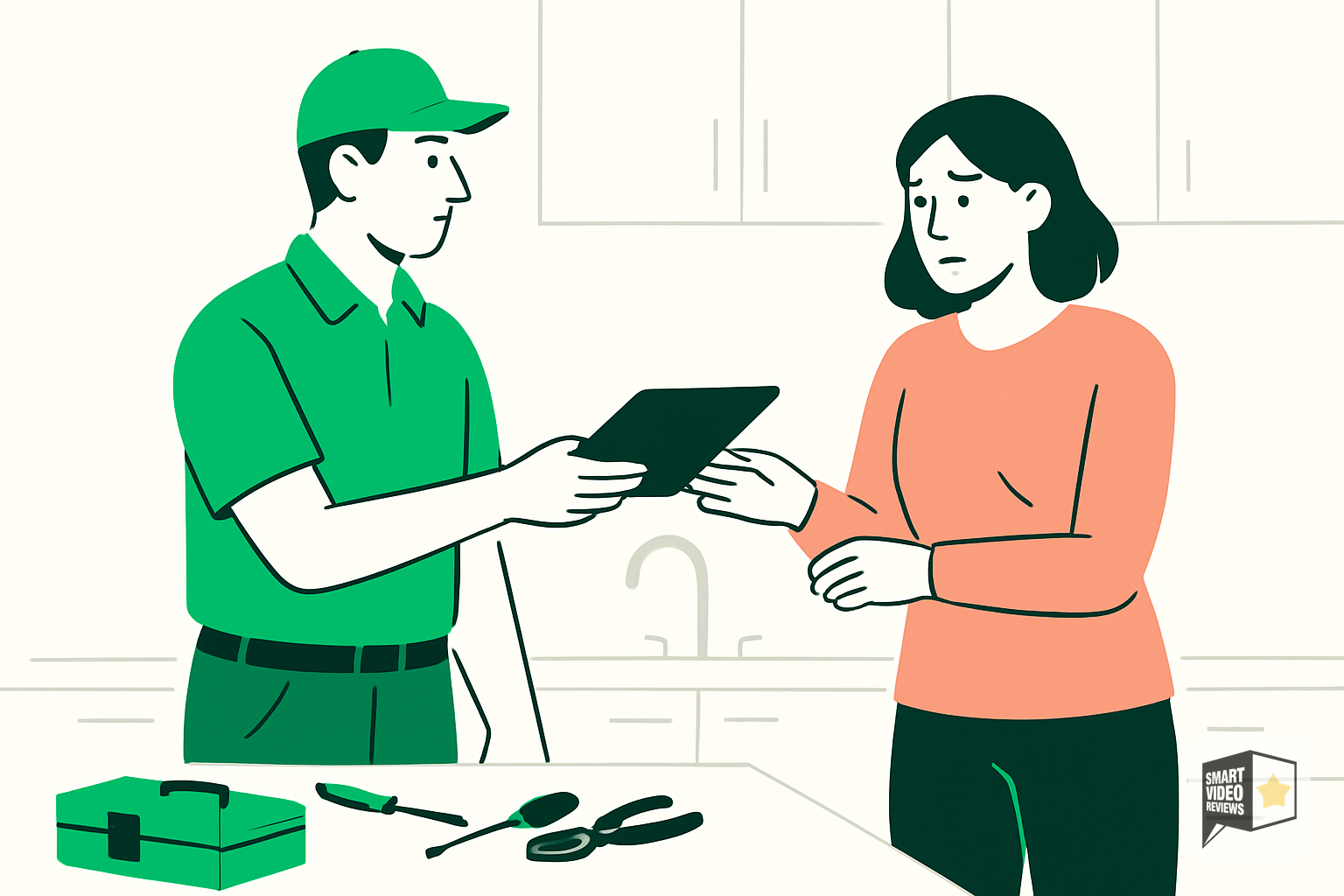
For years, home service owners were told to turn techs into “review machines.” Trainers and agencies taught scripts like, “If I earned 5-star service today, would you leave us a quick Google review and mention my name?”
Under the April 2026 update, that playbook now triggers multiple red flags:
- Tech asks for a review on-site. That can violate Google’s instruction not to pressure customers to leave reviews while you’re still at the job.
- Tech requests specific content (“mention me by name”). That conflicts with the ban on asking for specific content, especially content that identifies a staff member.
- Owner ties bonuses to review counts and name mentions. It's now widely recognized that merchants shouldn't have staff solicit reviews demanding specific content, including content that names a particular staff member.
As Google enforces these rules, businesses that leaned on those tactics may see affected reviews removed and star counts adjusted.
The Review Tactics Your HVAC, Plumbing, or Roofing Company Must Stop
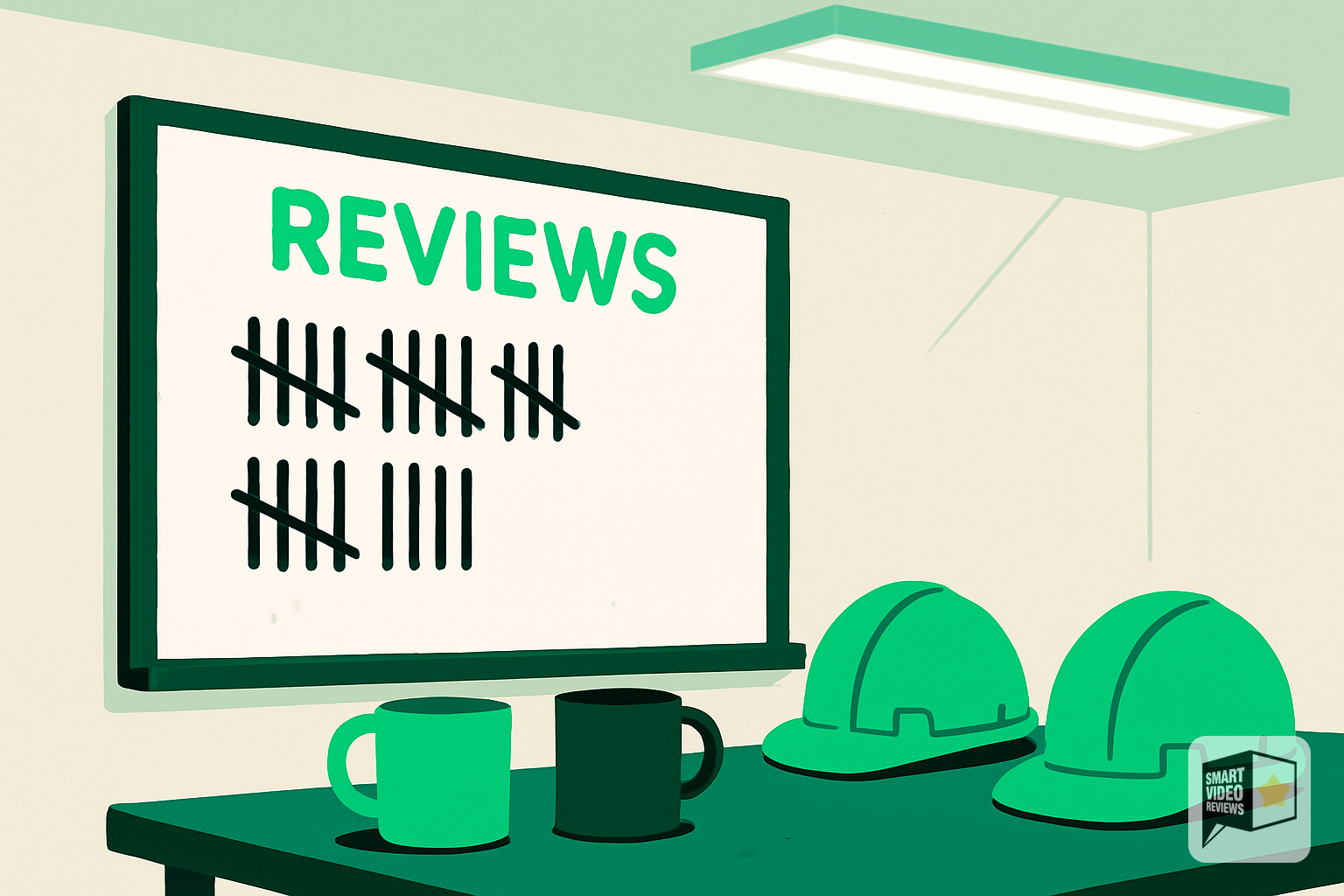
If your shop uses any of these common tactics, update your process immediately to avoid violating Google’s policies.
- “Mention your tech by name” scripts. Telling customers “please mention Jake in your Google review” is now directly at odds with Google’s ban on soliciting reviews that identify staff members.
- Leaderboards and review quotas for field staff. Whiteboards in the breakroom, monthly contests, and bonuses tied to “who gets the most Google reviews” are now explicitly covered by the rule against staff quotas.
- On-premise review pressure at the end of the job. Handing a customer your tablet and hovering while they leave a review in their kitchen or driveway can be considered on-site pressure.
- Discounts, gift cards, or raffle entries for reviews. Any incentive in exchange for leaving, changing, or removing a review is prohibited and increases the risk of removal or enforcement.
- Over-scripted review templates. While Google doesn’t ban scripts by name, combining repetitive phrasing with on-site pressure and quotas creates patterns that its systems are designed to detect and filter.
In 2019, these tactics looked aggressive but “normal.” In 2026, Google is calling them out as manipulation—especially in high-review-volume industries like home services.
What Google Still Wants From Home Service Reviews

Here’s the good news for contractors: Google still wants as many honest, detailed reviews as possible. The policy allows merchants to “solicit or encourage the posting of content that does represent a genuine experience” so long as you are not offering incentives or influencing the rating or contents of the review.
For HVAC, plumbing, and roofing companies, that means you can (and should):
- Ask every customer for an honest review. A neutral follow-up message—email or SMS—inviting them to “share your experience on Google” remains completely acceptable when there is no incentive attached.
- Make it easy to find your profile. Use a Google review link or QR code on invoices, service agreements, fridge magnets, and follow-up emails so homeowners don’t have to hunt you down.
- Encourage them to talk about the experience, not the tech. Focus on what mattered: response time, cleanliness, clear explanations, and whether the problem was fixed—not whether they mention a specific technician by name.
- Respond to reviews quickly and professionally. Homeowners notice when owners or managers thank them or address concerns, which further increases trust and conversion.
What the Google Review Policy Changes 2026 Mean for Your Platforms and Automations
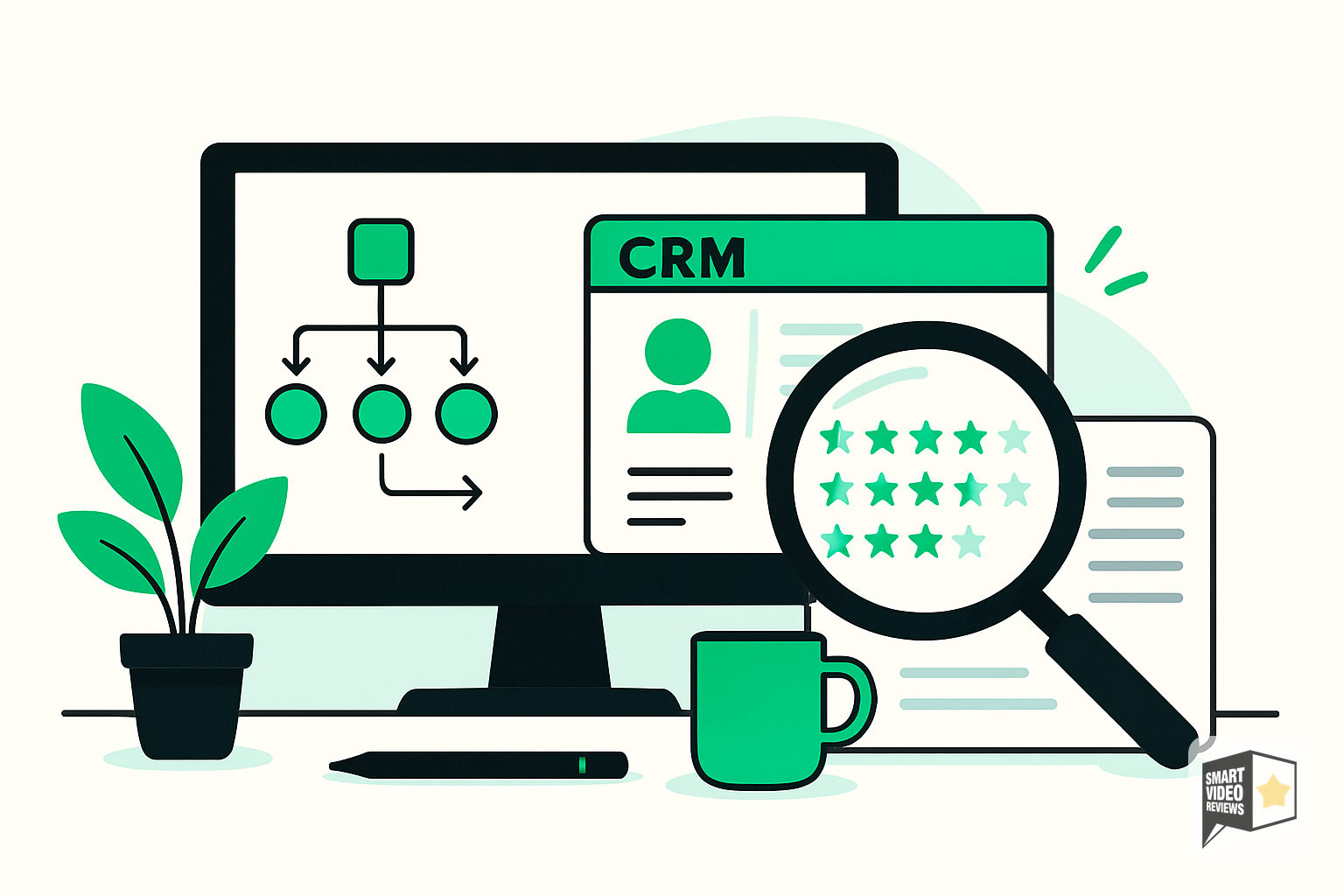
Many HVAC, plumbing, and roofing businesses rely on review platforms or automations wired into their CRM or dispatch systems. With the google review policy changes 2026, those systems need a fresh audit.
Be especially cautious if your current setup:
- Filters only “happy” customers to Google and sends everyone else to a private survey (review gating).
- Builds in rewards or contests connected to review volume or star rating.
- Uses rigid scripts that ask homeowners to mention specific products, services, or staff names.
Those patterns now sit much closer to the line of what Google calls “rating manipulation.”
At Smart Video Reviews, our approach is built with these rules in mind:
- No incentives, no on-site pressure. Our workflows emphasize post-visit follow-up instead of asking for reviews while your tech is still in the driveway.
- Story-driven, not script-driven. We guide homeowners to talk about how your team solved their problem—whether that was a broken AC, a slab leak, or a roof repair—without coaching them to say specific phrases.
- Compliance baked into the system. Because we align with Google’s published policies on rating manipulation, you get the benefits of more reviews without the risk of “gaming” the system.
A 6-Step Compliance Checklist for Contractors

Use this quick checklist to bring your home service review strategy in line with the google review policy changes 2026:
- Scrub “mention your tech by name” from all scripts. Update technician training, job closeout scripts, and call center prompts to remove staff-name requests.
- End review quotas and contests. Replace review-specific bonuses and leaderboards with team-based rewards for overall customer satisfaction and retention.
- Stop asking for reviews while you’re still in the home. Shift to follow-up messages sent after the job—once the dust has settled and the homeowner has experienced the result.
- Kill discounts or giveaways tied to reviews. No more “$25 off your next tune-up if you leave us a 5-star Google review.”
- Standardize a neutral, compliant ask. For example: “If you found our service helpful, would you take a moment to share your experience on Google? Your feedback helps other homeowners find a contractor they can trust.”
- Watch your Google profile like a hawk. Keep an eye on disappearing reviews, sudden drops, or policy warnings—these are early signals that your process or a third-party tool may be out of bounds.
Where to See the Rules in Black and White
If your team, coach, or marketing vendor is skeptical about these changes, point them straight to Google’s documentation:
- Maps User-Contributed Content Policy (Google): https://support.google.com/contributionpolicy/answer/7400114 — scroll to Fake & Misleading Content & Reviews → Rating Manipulation and read the bullets on staff quotas and reviews that identify staff.
- Tips to Get More Reviews (Google Business Profile Help): Google’s companion article reinforces that incentivized, biased reviews are prohibited and can lead to enforcement.
When your review strategy matches what Google actually publishes, you’re building on solid ground—not on rumors from a Facebook group.
Next Steps for HVAC, Plumbing, and Roofing Owners
Google isn’t trying to hurt legitimate contractors. It’s trying to protect homeowners from fake and manipulated reviews—and that ultimately rewards companies that do great work and earn real praise.
For your shop, the winning move in 2026 is to:
- Audit your current review process, scripts, and automations against Google’s policies.
- Retrain field staff and CSRs around a compliant, homeowner-first review ask.
- Remove incentives and tactics that try to “force” or script 5-star reviews.
- Lean into authentic stories and social proof—especially video—from real customers.
That’s exactly what Smart Video Reviews is built to help with: giving HVAC, plumbing, and roofing companies a way to generate powerful, policy-safe social proof that keeps the calls coming in without putting your Google presence at risk.
Frequently Asked Questions
What changed in Google's review policy in 2026?
In April 2026, Google updated the Rating Manipulation section of its Maps User Contributed Content Policy. Merchants are now explicitly prohibited from pressuring customers to leave reviews on-site, requesting that specific content or phrases be included in reviews, and setting review quotas for staff. Several of these tactics were previously standard practice in home services.
Can I still ask my customers for Google reviews?
Yes. Asking for reviews is still allowed and encouraged. What's now restricted is how you ask. You can invite customers to share honest feedback, but you cannot pressure them to review while you're still on their premises, tell them what to write, or require specific phrases or ratings.
Why can't I ask customers to review while I'm on-site?
Google's updated policy states merchants "should not require or pressure users to leave ratings or write reviews while on the premises." For contractors, "on the premises" includes a customer's home or driveway at the end of a job. Asking in that moment can feel like pressure, so it's safer to send a review request shortly after the job is complete.
Is setting review quotas for my technicians against Google's policy?
Yes. Google discourages directing staff to solicit a set number of reviews. Scoreboards, quotas, and "5 reviews per week" targets can be classified as rating manipulation and put your Google Business Profile at risk. Focus on great service instead, and let requests happen naturally.
What happens if I keep using the old review tactics?
Violating the updated policy can result in reviews being removed and, in serious cases, your Google Business Profile being suspended or restricted. Since reviews drive calls and Maps visibility for HVAC, plumbing, and roofing businesses, non-compliance can directly cost you leads and revenue.
How does Smart Video Reviews help me stay compliant?
Smart Video Reviews works only with reviews customers have already left voluntarily on Google. It turns those authentic reviews into short, branded videos for your marketing—so you build trust and visibility without pressuring customers, dictating content, or setting quotas, keeping you aligned with Google's 2026 policy.
Google's 2026 crackdown makes it riskier than ever to lean on pushy scripts, staff quotas, or name-drop requests to build social proof. That leaves a gap: how do you keep showcasing great work without breaking the rules? Smart Video Reviews works from the honest, unincentivized 5-star reviews customers already leave—turning them into short, branded videos with AI voiceover you can share on your website, Google Business Profile, and social feeds.
Because the source reviews are genuine and voluntary, you stay on the compliant side of Google's policy while getting far more mileage out of every review. Instead of coaching customers on what to say, you amplify what they already said—letting real homeowner experiences do the selling long after the job is done.
SmartVideoReviews.com can turn the honest, compliant Google reviews you already have into shareable branded videos that build trust without risking your Google Business Profile.
Watch the walkthrough
Your 5-star reviews are gold. We turn them into videos that sell.
See a real Google review become a branded, ready-to-post video — no camera, no crew, no editing.
See how it works → 2:50
2:50Keep reading

7 HVAC Google Reviews Strategies Every Business Should Use to Beat Local Competitors
Practical Google review strategies for HVAC businesses that want to earn trust, rank higher in local search, and stand out from nearby competitors.

Your Google Business Profile Reviews Are Now Google's Sales Pitch — Here's How to Control It
Google increasingly turns your reviews into the pitch customers see first. Here's how local businesses can shape that story instead of leaving it to chance.

You Wouldn't Pick a Rotten Apple: How to Respond to Google Reviews Worth Marketing
Not every Google review belongs in your marketing. Here's how to find the customer stories worth harvesting—and turn them into video.