Start With the Customer: The Steve Jobs Marketing for Local Contractors Lesson Missed
 Greg CrossSep 14, 20269 min read
Key takeaways
- Steve Jobs' 1997 advice — start with the customer experience and work backward to the technology — is the marketing principle most local contractors get backward.
- Feature-first messaging (equipment, years licensed, showroom size) talks about you; customers actually worry about trust, showing up, honest pricing, and whether the problem gets solved.
- Rewrite every feature into the outcome it creates for the customer, keeping features as the reason the benefit is believable — not the headline.
- Your happy customers' own words are the purest form of customer-first marketing, which makes your Google reviews an undervalued asset.
- Turning written reviews into short, branded videos makes that social proof easier to consume and shareable across the platforms where people actually browse.
Steve Jobs once shared a piece of advice that still shapes how the best companies market themselves. As the well-known principle goes, you have to start with the customer experience and work backward to the technology — not the other way around. For anyone thinking about marketing for local contractors, this single idea changes everything.
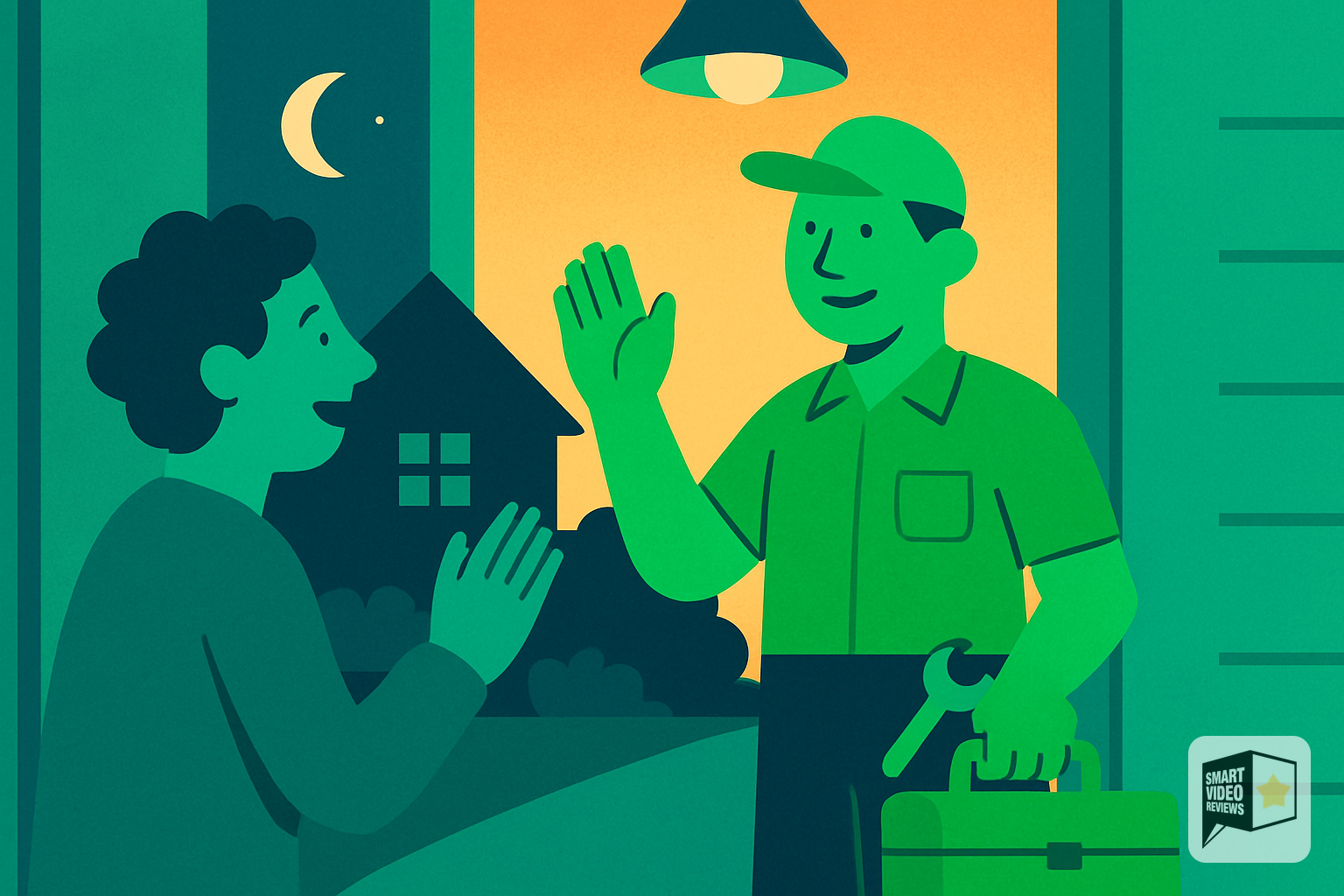
Most local contractors do the opposite. They lead with their equipment, their years in business, their certifications. All good things. But none of them are what the customer is actually thinking about.
This post breaks down the Jobs lesson in plain terms, then shows how home service pros, health and wellness practices, auto shops, and other local businesses can put it to work — including one of the most overlooked ways to let customers speak for you.
What did Steve Jobs actually say about marketing?
At a 1997 developer conference, Jobs answered a critic by explaining his approach to building products. His point was simple: figure out the benefits you want to deliver to a real person, then build backward from there.
The mistake, he argued, is starting with what you've built and trying to convince people they need it. That path leads to marketing that talks at customers instead of to them.
You can watch the moment for yourself — it's widely circulated, but the underlying idea is the part worth keeping. For local businesses, it translates cleanly: stop selling the drill, start selling the hole in the wall.
Why does marketing for local contractors default to feature-first?
It's understandable. You know your trade better than anyone, so you naturally talk about the things you're proud of — the brand of equipment you use, the number of years you've been licensed, the square footage of your showroom.
But here's the disconnect. A homeowner with a leaking pipe at 9pm doesn't care about your truck fleet. They care about whether the water stops and whether they can trust the person walking through their door.
Feature-first marketing feels safe because it's about you. Customer-first marketing feels vulnerable because it requires you to sit inside your customer's worry. That's exactly why it works.
What does a customer actually worry about before hiring you?
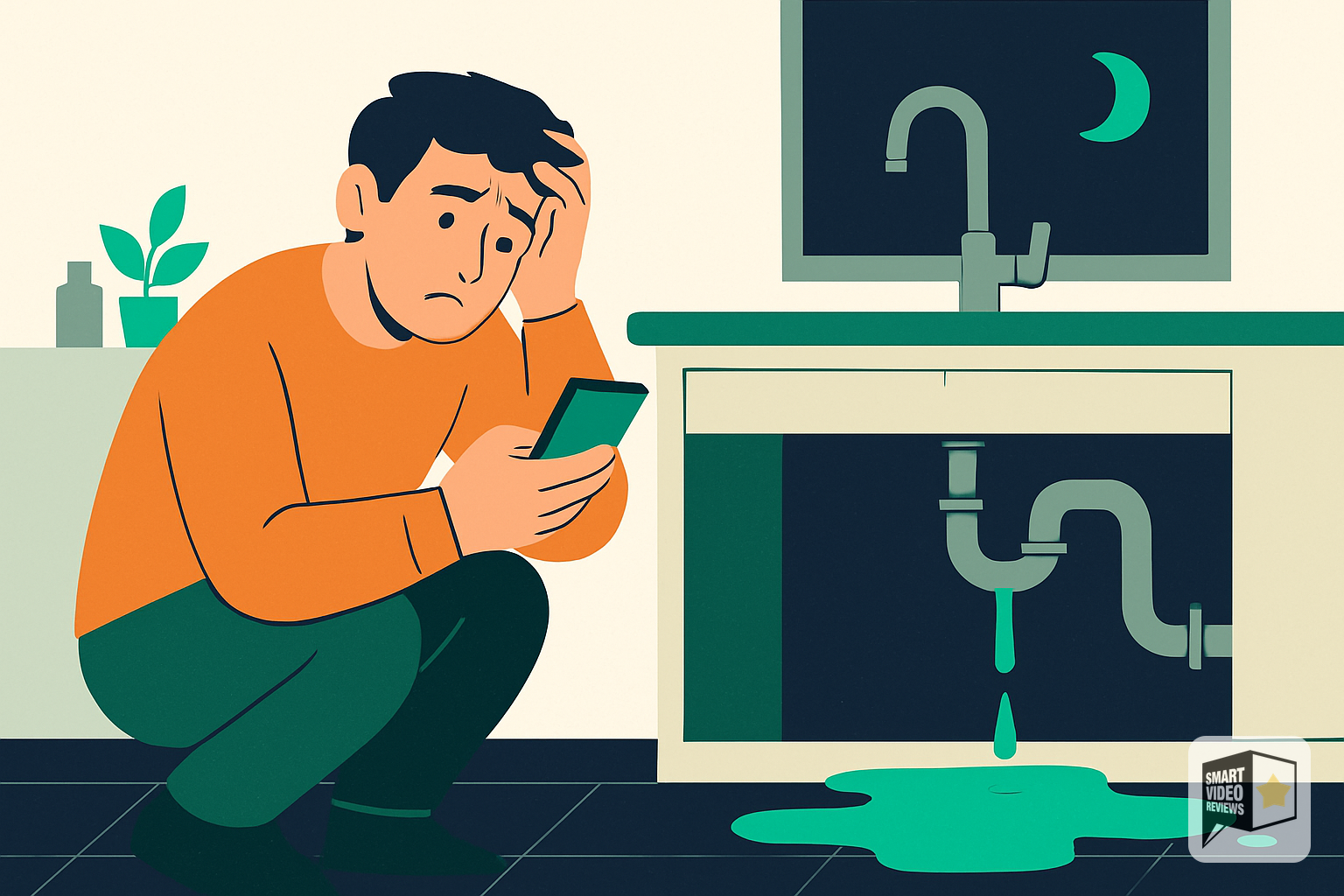
For most local service categories, the fears are remarkably consistent:
- Will they show up when they say they will?
- Will the final price match the quote?
- Will they treat my home, car, or body with respect?
- Will the work actually solve my problem?
- Can I trust them without knowing them?
Notice that none of these are answered by a feature list. They're answered by evidence — and the most persuasive evidence comes from other people who were once in the same anxious position.
How do you rewrite your message to start with the customer?

The exercise is straightforward, and you can do it on a napkin. Take everything you currently say about your business and translate each feature into the outcome it creates for the customer.
Here are a few hypothetical examples to show the shift in tone. These are illustrations, not real customer results.
- Feature: "We use commercial-grade equipment." Customer-first: "We finish faster so you get your driveway back the same day."
- Feature: "Licensed and insured for 12 years." Customer-first: "If anything goes wrong, you're protected — and it won't come out of your pocket."
- Feature: "Flexible scheduling." Customer-first: "Book a time that fits your workday, not ours."
The features don't disappear. They become the reason the benefit is credible. But the headline always belongs to the customer.
Where does social proof fit into a customer-first message?

Here's the part contractors miss most. The single most convincing voice in your marketing is not yours — it's your happy customer's.
When a prospect reads a genuine review describing exactly the fear they have and how you resolved it, you've done something no feature list can do: you've let a stranger vouch for you. That's customer-first marketing in its purest form, because the message literally comes from a customer.
This is why your Google reviews are one of your most valuable marketing assets — and, for most local businesses, one of the most underused. If you want a deeper dive on getting more of them, we've collected practical guides on the Smart Video Reviews blog.
Why are Google reviews the perfect starting point?
Reviews are already written in your customer's language, not yours. They mention the specific worries real people had and the specific moments that earned their trust. That's marketing gold you didn't have to write.
They're also credible in a way you can never be about yourself. A homeowner naturally discounts what a business says about itself, but they lean in when they hear it from someone like them.
To make the most of them, it helps to have your Google Business Profile set up properly so reviews are easy to leave and easy to find. That foundation does a lot of quiet work for you.
Is a written review enough, or should you go further?

Written reviews are powerful, but they live in one place and require reading. Most people scrolling their phone won't stop to read a paragraph of text from a business they've never heard of.
Video changes that math. A short, branded video that surfaces a real 5-star review — with clean visuals and a voiceover reading it aloud — is far easier to consume. It fits how people actually browse today.
This is the exact problem Smart Video Reviews was built to solve. It takes the genuine Google reviews you've already earned and turns them into short, branded videos with an AI voiceover, so the customer's own words become something you can share.
How does turning reviews into video reflect the Jobs principle?
Think back to "start with the customer." A review video is that idea made literal. The content is the customer's experience. Your branding simply frames it.
Instead of a graphic that says "20 years of experience," you get a short clip built around a real person describing how you calmed their stress and did the job right. One is a claim. The other is proof.
With Smart Video Reviews, you download the finished video and decide where it goes — your website, your social feeds, your Google Business Profile posts, an email to leads, or a text to a prospect who's on the fence. You stay in control of the posting; the tool handles turning the review into a polished, ready-to-share video.
Where should you use your review videos?

Once you have a video, a few placements tend to earn their keep:
- Your homepage: a review video near the top answers "can I trust these people?" before a visitor scrolls.
- Social media: post them to your own accounts where short video already performs well.
- Sales follow-up: send a relevant video to a lead who's comparing quotes.
- Ads: use them as creative that leads with the customer's voice.
- Your service pages: embed a video about a specific job type on the page selling that job.
The point is repetition. The same trust-building message shows up wherever a prospect meets you, always in a customer's voice.
A simple weekly plan for marketing for local contractors
You don't need a rebrand or a big budget. Effective marketing for local contractors starts with a shift in mindset and a few small actions.
- Read your reviews like a customer. Note the fears and outcomes your customers mention most.
- Rewrite one core message. Take your top feature and translate it into a customer benefit.
- Ask for reviews consistently. Build a habit of requesting one after every job well done.
- Turn your best reviews into video. Let the customer's words do the persuading.
- Put them where prospects look. Website, social, follow-up, and your Google profile.
None of this requires you to become a marketer. It requires you to get out of the way and let satisfied customers say what you've been trying to say about yourself.
The bottom line for local businesses
Steve Jobs' lesson wasn't really about technology. It was about humility — the discipline to start with the person you serve instead of the thing you sell.
For a local contractor, salon, clinic, gym, or shop, the fastest way to live that principle is to amplify the voices of the customers who already trust you. Your reviews are the customer experience, captured in their own words.
If you'd like to turn those words into short, branded videos you can share, you can start a free trial of Smart Video Reviews and build your first one from a review you've already earned.
Frequently Asked Questions
What does "start with the customer" actually mean for a small business?
It means shaping your marketing around the outcome and peace of mind your customer wants, rather than your features and credentials. Features still matter, but they serve as proof behind a customer-focused promise.
Do I need a lot of reviews before this works?
No. A single strong, detailed review that speaks to a common customer worry can be persuasive on its own. Building a steady habit of asking for reviews after good jobs will give you more material over time.
How does Smart Video Reviews turn my reviews into videos?
Smart Video Reviews takes your existing Google reviews and creates short, branded videos with an AI voiceover reading the review. You download the finished video and can post, share, or embed it wherever you like.
Does Smart Video Reviews post the videos to my social media for me?
No. You stay in control of distribution. Smart Video Reviews produces the video and you decide where to post, share, or embed it — your website, social channels, follow-up messages, or your Google Business Profile.
Where should I put a review video for the biggest impact?
Start with your homepage and your social accounts, then use videos in sales follow-ups to leads who are still deciding. Placing a relevant video on the specific service page it relates to also helps.
Isn't a written review just as good as a video?
Written reviews are valuable, but many people skim rather than read. A short video with visuals and voiceover is easier to consume and fits the way people browse on their phones, so it often gets more attention.
This article's core idea — let the customer's experience lead — is exactly what a review video delivers. Smart Video Reviews takes the genuine 5-star Google reviews you've already earned and turns them into short, branded videos with an AI voiceover, so the persuasive voice is your customer's, not your own. Instead of a graphic claiming "20 years of experience," you get a real person describing how you calmed their stress and did the job right.
That turns a claim into proof — the shift from feature-first to customer-first marketing, made literal. If you want to build the foundation first, the Smart Video Reviews blog has practical guides on earning more reviews and setting up your Google Business Profile so those customer stories are easy to leave, find, and reuse.
SmartVideoReviews.com can turn the honest Google reviews you've already earned into short, branded videos that let your customers do your most convincing marketing for you.
Watch the walkthrough
Your 5-star reviews are gold. We turn them into videos that sell.
See a real Google review become a branded, ready-to-post video — no camera, no crew, no editing.
See how it works → 2:50
2:50Keep reading
How to Use Customer Reviews: They're Inventory, Not Trophies
Home services owners earn reviews the hard way, then leave them on a shelf. Here's how to treat a review as an asset you can spend everywhere.
When the Floodwaters Rise, Homeowners Search 'Water Damage Restoration Near Me': Will They Trust Your Company?
After a flood, homeowners search Google in a panic. Here's how restoration companies earn trust fast with reviews, response, and video proof.